Why Multi-Vendor Fashion Platforms Are the Future (2026 Insight)

Why Multi-Vendor Fashion Platforms Are the Future
The way people buy and sell fashion is changing rapidly.
For years, fashion commerce has been dominated by Instagram pages, WhatsApp businesses, and individual brand websites. But a new model is quickly becoming more powerful: multi-vendor fashion platforms.
These platforms are not just another way to sell clothes—they represent the future of how fashion will be discovered, purchased, and scaled globally.
What Is a Multi-Vendor Fashion Platform?
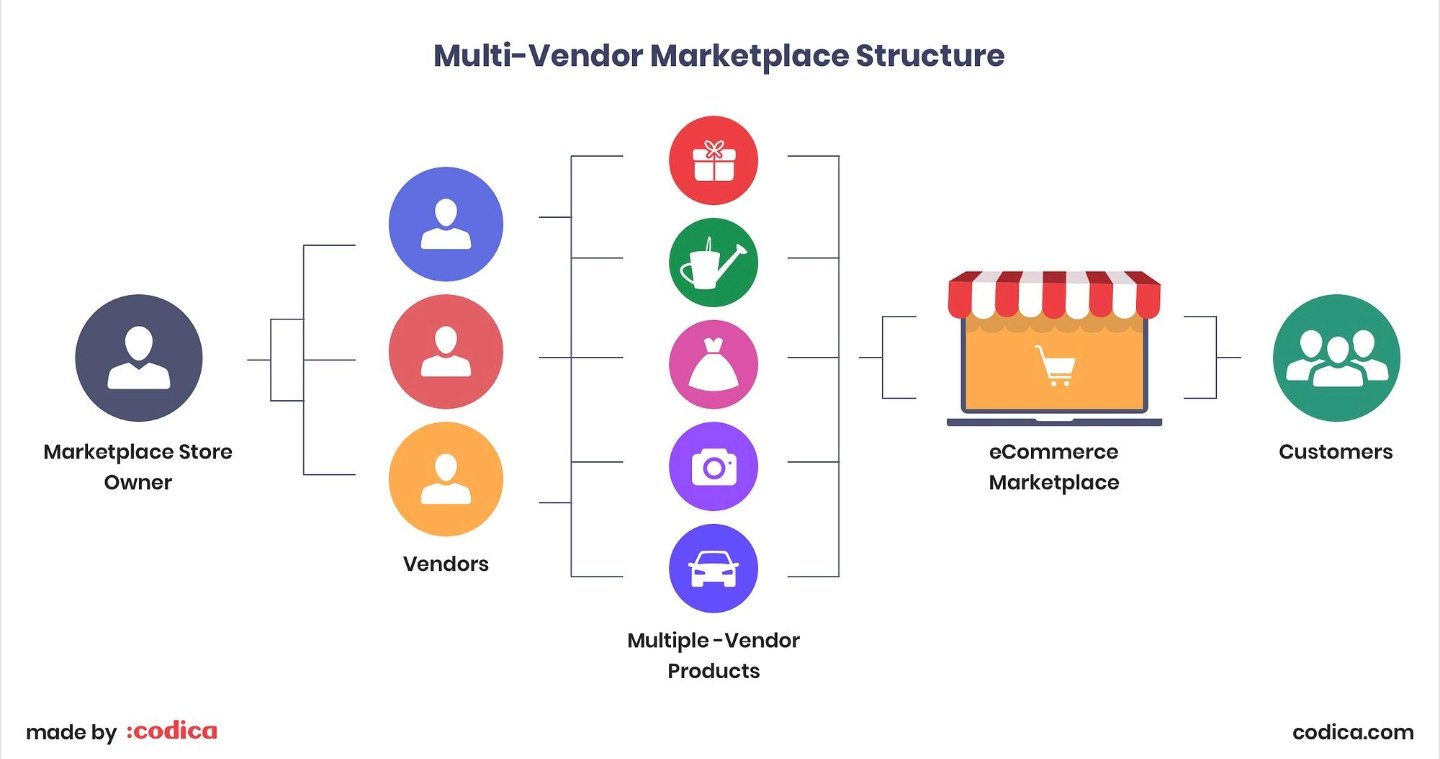
A multi-vendor fashion platform is an online marketplace where multiple independent fashion brands sell their products in one centralized system.
Instead of each brand building its own isolated store, they operate under a shared ecosystem where:
- Sellers list products
- Buyers browse multiple brands
- Transactions happen in one place
This structure creates efficiency, scale, and better customer experience.
Why Traditional Fashion Selling Is Becoming Limited
Traditional selling methods like Instagram and WhatsApp have helped many fashion brands start, but they are reaching their limits.
Common challenges include:
- No structured discovery system
- Heavy reliance on followers
- Manual order management
- Low scalability
As competition increases, these methods become harder to sustain for serious growth.
The Shift Toward Marketplace-Based Fashion Commerce
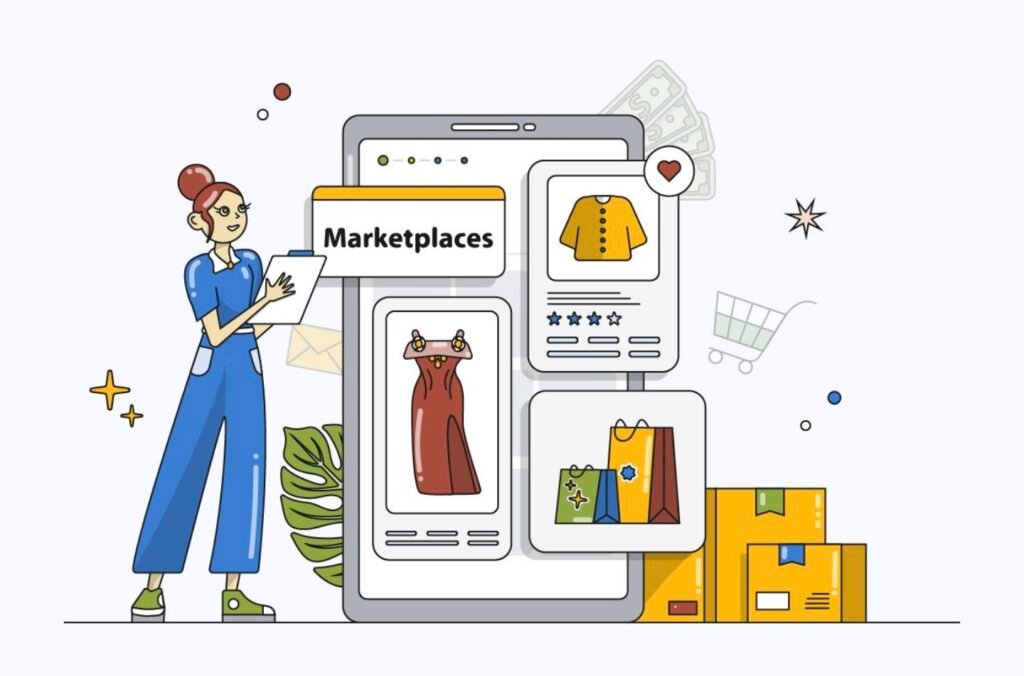
Consumers are changing how they shop.
Instead of buying from individual pages, they now prefer:
- Platforms with multiple options
- Easy comparison of prices and styles
- Trusted checkout systems
This shift is driving the rise of multi-vendor fashion platforms globally, including in Nigeria.
Key Benefits for Sellers
1. Built-in visibility
Sellers gain exposure without needing massive marketing budgets.
2. Faster customer acquisition
Buyers are already on the platform searching for fashion products.
3. Reduced dependency on social media
Brands are no longer fully dependent on algorithms.
4. Scalable structure
Sellers can grow without rebuilding systems from scratch.
Key Benefits for Buyers
1. More variety in one place
Buyers can explore multiple brands without switching apps.
2. Easier comparison
Prices, styles, and quality can be evaluated side by side.
3. Better trust systems
Structured platforms improve buyer confidence.
4. Convenience
One seamless experience from discovery to purchase.
Multi-Vendor Platforms vs Traditional Fashion Selling
Instagram / WhatsApp
- Strong for awareness
- Weak for structure and scalability
Personal websites
- Full control
- Requires traffic generation and higher setup effort
Multi-vendor platforms
- Balanced ecosystem
- Built-in traffic and trust
- Scalable for both small and large brands
This balance is what makes marketplaces increasingly attractive.
Why This Model Represents the Future
Multi-vendor platforms are not just a trend—they represent a structural shift in commerce.
They solve three major problems:
- Discovery (helping customers find brands)
- Trust (standardized systems)
- Scalability (shared infrastructure)
This makes them more efficient than fragmented selling methods.
The Role of Platforms Like Cartbridger
New-generation fashion marketplaces are designed to solve the exact problems small and growing brands face.
By combining discovery, storefronts, and structured selling systems, they create an environment where both buyers and sellers benefit from efficiency and scale.
This is the direction the industry is moving toward.
Multi-vendor fashion platforms are shaping the future of fashion ecommerce.
They bring structure to a fragmented industry, improve buyer experience, and give small brands a real opportunity to scale.
As digital shopping continues to evolve, platforms that unify sellers and simplify discovery will become the dominant model in fashion commerce.
Step into the future of fashion commerce
Discover how modern fashion marketplaces are transforming the way brands sell and customers shop in today’s digital economy.