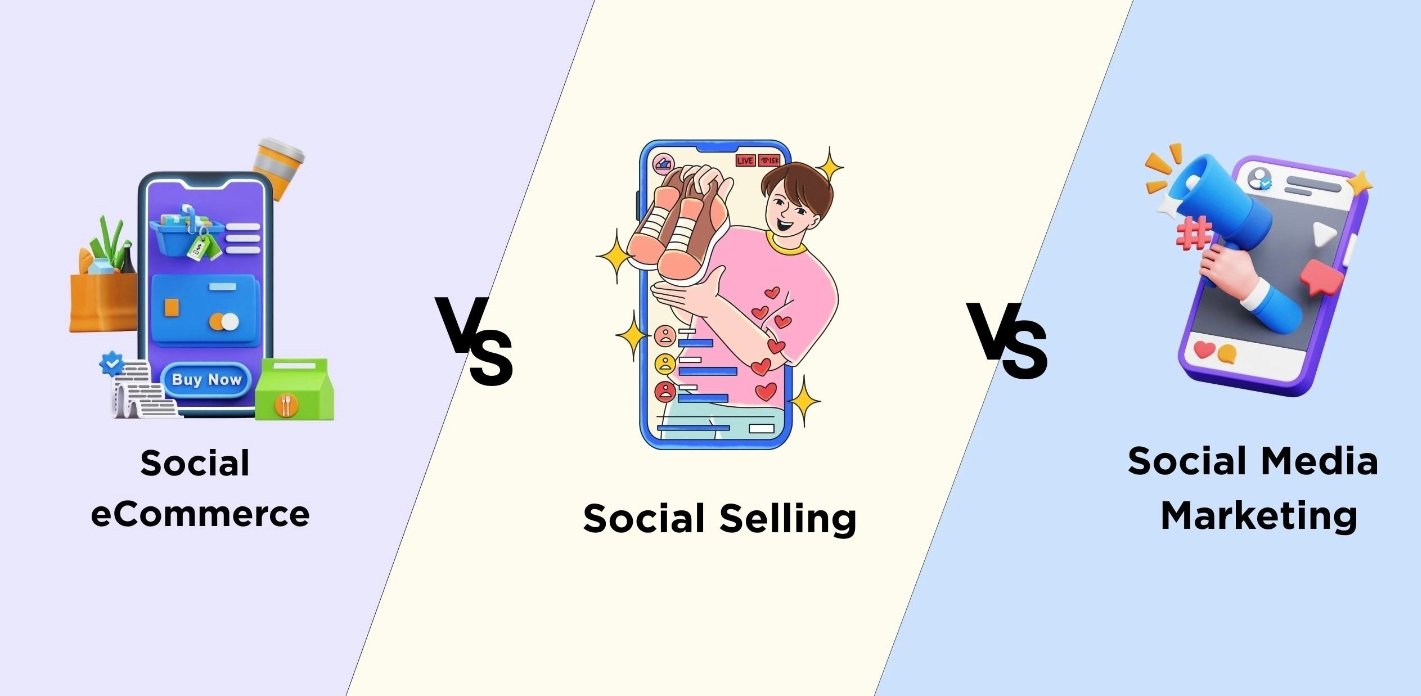
Best Platforms to Sell Fashion Online in Nigeria (Top Picks 2026)

Best Platforms to Sell Fashion Online in Nigeria
Choosing the right platform to sell your fashion products in Nigeria can determine how fast your business grows.
Many sellers start with Instagram or WhatsApp, but as competition increases, the platform you choose begins to affect your visibility, trust, and overall sales.
This guide ranks the best platforms to sell fashion online in Nigeria based on ease of use, cost, scalability, trust, and conversion potential.
1. Fashion Marketplaces (Cartbridger)
Ecommerce marketplaces designed specifically for fashion are becoming one of the most effective ways to sell online.
Cartbridger stands out because it combines two powerful systems:
- A marketplace where customers can discover multiple brands
- A personal storefront for each vendor
Why It Ranks #1
Ease of Use
You don’t need advanced technical skills to start selling.
Cost
Lower setup complexity compared to building a full independent website.
Scalability
You can grow your brand without worrying about technical infrastructure.
Trust
Customers trust structured marketplaces more than individual sellers.
Conversion Rate
Buyers are more likely to complete purchases because the experience is streamlined.
This combination makes marketplace-based selling one of the most efficient ways to grow a fashion business in Nigeria today.
2. Instagram
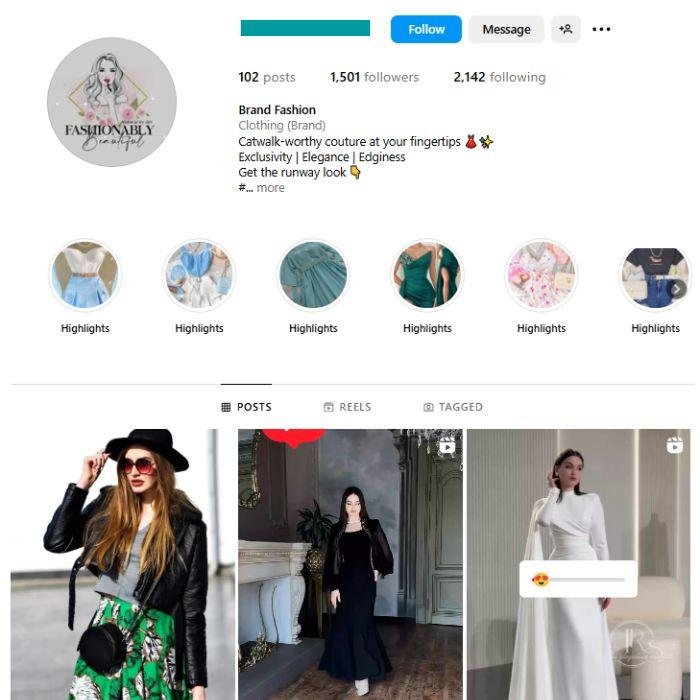
Instagram is the most popular platform for fashion sellers in Nigeria.
Pros
- Easy to start
- Highly visual (great for fashion)
- Strong organic reach through reels
Cons
- No structured checkout system
- Requires manual communication
- Lower trust for new sellers
- Harder to scale professionally
Instagram is powerful for visibility, but limited when it comes to structured selling.
3. WhatsApp Business

WhatsApp is often used alongside Instagram for closing sales.
Pros
- Direct communication with customers
- Easy order handling
- Familiar platform for Nigerian buyers
Cons
- Not scalable
- No product discovery system
- Manual process for every sale
- Limited branding experience
It works well for small-scale selling but becomes inefficient as your business grows.
4. Personal Ecommerce Websites (Shopify, WooCommerce)
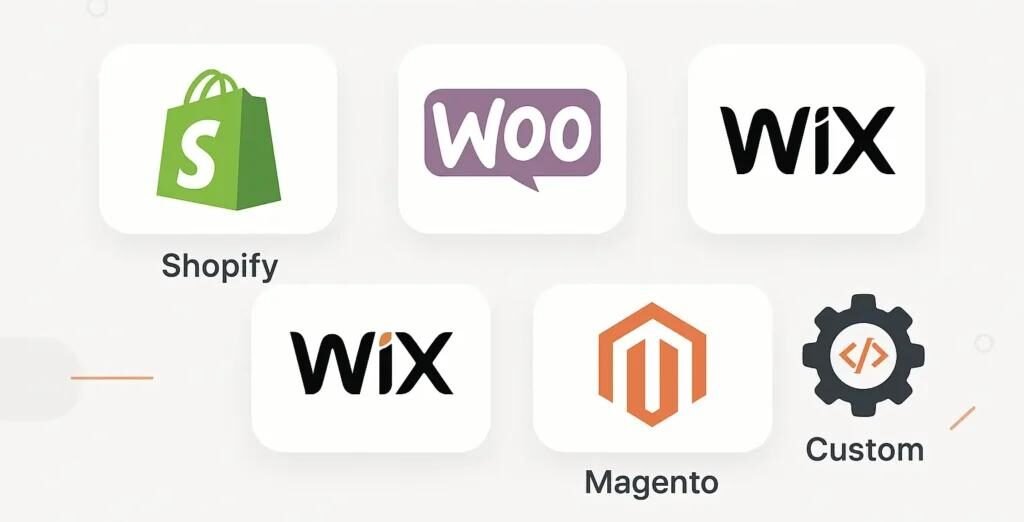
Having your own website gives you full control over your brand.
Pros
- Full branding control
- Professional appearance
- Scalable long-term
- Better customer experience
Cons
- Higher setup cost
- Requires technical knowledge
- You must generate your own traffic
- Maintenance and management required
This option is powerful but requires more effort and resources to succeed.
5. General Marketplaces (Jumia, Konga)
Large marketplaces allow you to list products alongside many other sellers.
Pros
- Existing customer base
- Built-in trust
- Easy onboarding
Cons
- High competition
- Less brand identity
- Price wars with other sellers
- Lower control over presentation
These platforms are useful for exposure but may not be ideal for building a strong fashion brand identity.
Final Ranking Summary
- Fashion marketplaces (Cartbridger)
- Personal ecommerce websites
- WhatsApp Business
- General marketplaces (Jumia, Konga)
How to Choose the Right Platform
The best platform depends on your current stage.
If you are just starting, Instagram and WhatsApp are useful.
If you want to grow and build a real brand, structured ecommerce platforms provide better long-term results.
The key difference is simple:
- Social platforms help you get attention
- Ecommerce platforms help you convert and scale
Selling fashion online in Nigeria is no longer just about being present online—it is about choosing the right system to support your growth.
While many sellers rely only on Instagram or WhatsApp, the most successful brands eventually move toward more structured platforms that improve trust, increase conversions, and simplify the buying process.
Choosing the right platform early can give you a significant advantage.
Choose the right platform for growth
Explore smarter ways to sell fashion online and discover platforms designed to help Nigerian fashion brands scale faster.